

Understanding the Montessori Classroom Environment: Montessori Classroom Design Features
- Mary Lee

- Dec 9, 2025
- 4 min read
When exploring educational options for young children, understanding the Montessori classroom environment is essential. This environment is carefully designed to support independence, curiosity, and a love for learning. The classroom is more than just a space; it is a carefully prepared setting that encourages children to explore and develop at their own pace. In this post, I will explain the key features of a Montessori classroom, how the design supports learning, and what parents can expect from this unique educational approach.
Montessori Classroom Design Features
The design of a Montessori classroom is intentional and purposeful. It reflects the philosophy that children learn best in an environment that is orderly, accessible, and stimulating. Here are some of the main design features you will find:
Child-sized furniture: Tables, chairs, shelves, and materials are all scaled to the child’s size. This allows children to move freely and use materials independently without adult assistance.
Open shelving: Materials are displayed on low, open shelves. This encourages children to choose activities on their own and return them when finished.
Natural materials: Wood, metal, glass, and fabric are common materials. These provide sensory experiences and a connection to the natural world.
Defined learning areas: The classroom is divided into areas such as practical life, sensorial, math, language, and cultural studies. Each area has specific materials and activities.
Order and simplicity: The environment is uncluttered and organized. This helps children focus and reduces distractions.
These features create a calm and inviting space where children feel comfortable exploring and learning.

How the Environment Supports Independence and Learning
A Montessori classroom is designed to foster independence. Children are encouraged to select their own work, complete tasks, and care for their environment. This autonomy builds confidence and decision-making skills.
Freedom within limits: Children can choose activities but must respect the classroom rules and materials. This balance teaches responsibility.
Hands-on learning: Materials are designed for self-correction and exploration. For example, a child can see and fix mistakes without adult intervention.
Mixed-age groups: Classrooms often include children aged 3 to 6. Older children model behaviors and help younger peers, promoting social skills and leadership.
Teacher’s role: The teacher acts as a guide rather than a lecturer. They observe, introduce materials, and support each child’s individual learning path.
This environment nurtures a child’s natural curiosity and encourages a lifelong love of learning.
Practical Examples of Montessori Materials and Activities
Montessori materials are unique and purposeful. Each set targets specific skills and concepts. Here are some examples:
Practical life activities: Pouring water, buttoning frames, and sweeping teach coordination, concentration, and care for the environment.
Sensorial materials: Color tablets, sound boxes, and geometric solids help children refine their senses and understand abstract concepts.
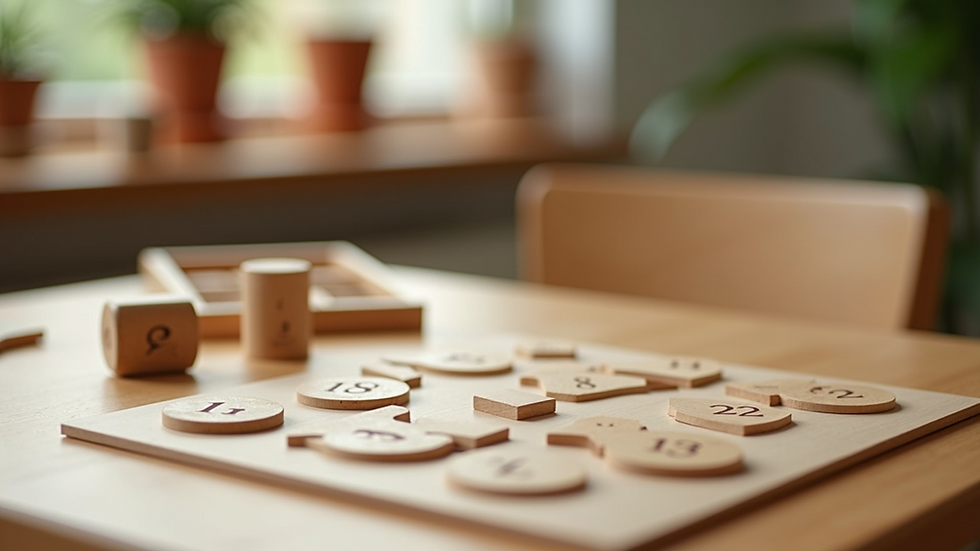
Math materials: Number rods, sandpaper numbers, and bead chains introduce counting, addition, and place value in a tactile way.
Language materials: Sandpaper letters, movable alphabets, and language cards support reading and writing development.
Cultural materials: Maps, flags, and nature studies broaden children’s understanding of the world.
Each material is designed to be self-correcting and engaging, allowing children to learn through discovery.
Creating a Montessori Environment at Home
Parents interested in Montessori education can apply some principles at home to support their child’s development:
Organize child-accessible spaces: Use low shelves and baskets to store toys and books. Label containers to encourage order.
Provide practical life tools: Child-sized utensils, cleaning tools, and dressing frames help children practice daily skills.
Encourage choice: Offer a limited selection of activities and allow your child to decide what to do.
Use natural materials: Choose wooden toys, fabric books, and real dishes instead of plastic.
Maintain order: Keep the environment tidy and uncluttered to help your child focus.
These steps create a supportive environment that mirrors Montessori principles and promotes independence.
What to Expect from a Montessori Classroom Experience
Choosing a Montessori classroom means embracing a different approach to education. Here is what you can expect:
Individualized learning: Each child progresses at their own pace with personalized guidance.
Focus on the whole child: Emotional, social, physical, and cognitive development are all valued.
Respect for the child: Children’s choices and interests are honored.
Long work periods: Children have uninterrupted time to engage deeply with activities.
Community feeling: Mixed-age classrooms foster cooperation and respect.
This approach prepares children not only academically but also socially and emotionally for future success.
Understanding the Montessori classroom environment helps parents make informed decisions about their child’s education. The design features and educational philosophy work together to create a nurturing and stimulating space. This environment supports independence, curiosity, and a strong foundation for lifelong learning.
For more information about Montessori education and how it can benefit your child, visit New Life Montessori. They are dedicated to providing a nurturing and stimulating educational environment for young children, helping them develop independence, a love for learning, and strong foundational skills across various academic and practical areas, preparing them for future academic success and personal growth.


Comments